Long-Term Health: Preventing Iron Deficiency as Children Grow
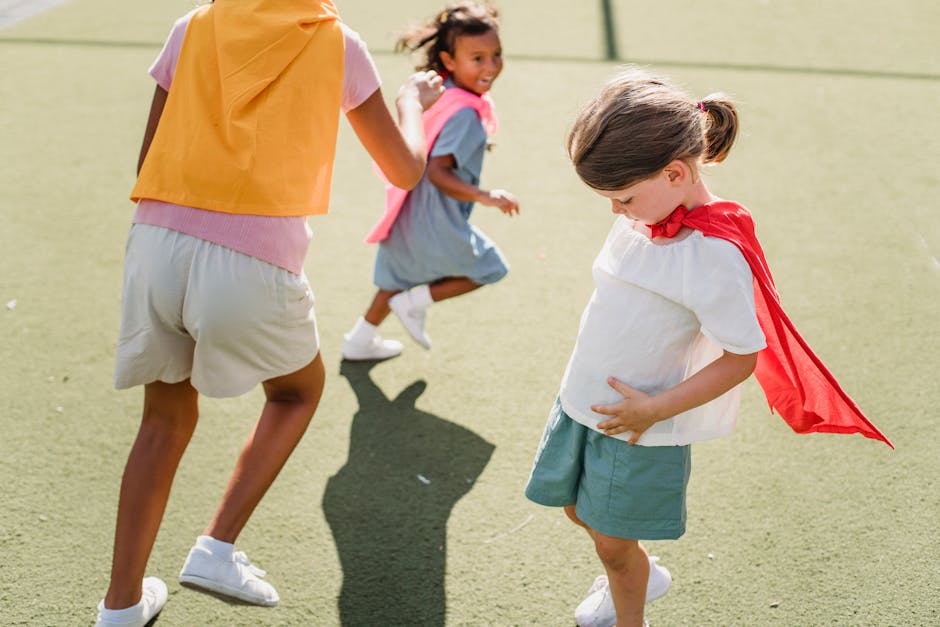
While treating iron deficiency is important, prevention remains the most effective approach. Establishing healthy habits during early childhood creates foundations that last throughout life. Understanding how to maintain healthy iron levels helps parents support their children's ongoing development.
Building Sustainable Healthy Eating Habits
Children who develop positive relationships with nutritious foods early are more likely to maintain healthy eating throughout life. Make iron-rich foods familiar and appealing by including them regularly in family meals. Involve children in food preparation age-appropriately—toddlers can help wash vegetables, older children can assist with simple cooking. This builds familiarity and positive associations with healthy foods.
Regular Health Monitoring
Even after iron deficiency is treated, periodic monitoring ensures levels remain healthy. Routine health visitor appointments and GP check-ups include growth and development assessment. Mention iron history to healthcare providers so they monitor appropriately. If deficiency recurs, investigation may identify underlying causes requiring different management.
Adapting Nutrition as Children Grow
Nutritional needs change as children develop. What works for a toddler differs from a preschooler's needs. As children gain independence and food preferences develop, guide choices toward nutritious options. Involving children in decision-making—choosing between two vegetables, for example—builds autonomy whilst maintaining nutrition focus.
Addressing Picky Eating
Many children go through picky eating phases. Rather than forcing foods, continue offering iron-rich options without pressure. Repeated exposure—seeing others eat foods, trying small amounts—gradually increases acceptance. Keep mealtimes positive; stress about eating can create unhealthy relationships with food.
Supporting Physical Activity
- Encourage daily outdoor play and movement
- Model active lifestyles as parents
- Make physical activity fun rather than obligatory
- Ensure adequate rest for recovery and growth
Creating Family Health Culture
Children learn health values from families. When parents prioritise nutrition, physical activity, and regular health check-ups, children internalise these values. Discussing health positively—"our bodies need iron to grow strong"—rather than negatively builds healthy mindsets.
Preventing iron deficiency through consistent, thoughtful nutrition and healthcare engagement gives children the strongest start for lifelong health and development.