Nutrition for Early Childhood: Building Iron Intake Naturally
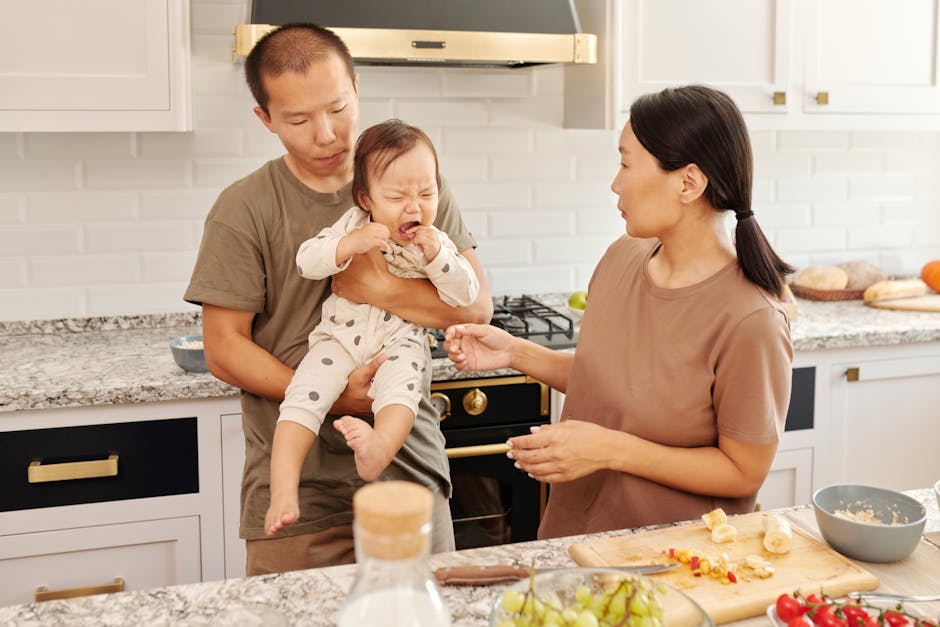
Building strong nutritional foundations in early childhood sets the stage for lifelong health. Iron-rich nutrition doesn't require complicated meal planning—simple, familiar foods provide excellent sources when chosen thoughtfully.
Starting Solids with Iron in Mind
When introducing solids around six months, choose iron-fortified baby cereals as first foods. These are specifically designed to meet young children's nutritional needs. As your baby progresses, introduce soft cooked meats, mashed beans, and iron-fortified baby foods. This early introduction establishes healthy eating patterns while meeting critical developmental needs.
Iron Sources by Age
For babies 6-12 months, offer iron-fortified cereals, pureed meats, and soft cooked vegetables. From 12-24 months, introduce finely chopped meats, beans, lentil dishes, and finger foods like soft toast with mashed beans. For ages 2-5, most family meals work well with minor modifications for safety and texture.
Combining Foods for Better Absorption
Iron absorption improves significantly when paired with vitamin C. Serve iron-rich foods alongside citrus fruits, berries, tomatoes, or peppers. For example, beans on toast with a side of orange slices, or chicken with roasted sweet potatoes and broccoli maximises nutrient absorption naturally.
Practical Meal Ideas
- Soft pasta with minced beef and tomato sauce
- Lentil soup with carrots and celery
- Mashed beans on wholemeal toast
- Chicken and vegetable stew with soft vegetables
- Fortified breakfast cereal with fruit and milk
- Homemade fish cakes with sweet potato
Avoiding Common Pitfalls
Excessive dairy, especially in very young children, can reduce iron absorption. Balance milk intake with iron-rich meals. Similarly, limit sugary drinks and focus on water. Introduce new foods gradually, watching for allergies whilst building diverse, nutritious eating habits.
Consistent, thoughtful nutrition supports optimal development and reduces deficiency risk significantly.