Understanding Iron Deficiency in Early Childhood
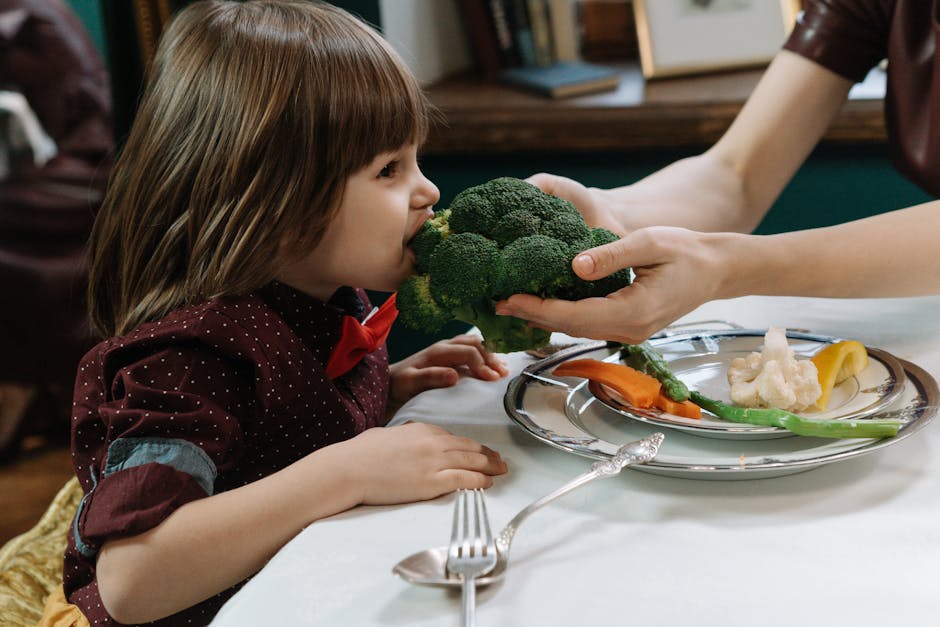
Iron is essential for healthy development in young children. It supports brain development, helps create red blood cells, and boosts immune function. Despite its importance, iron deficiency remains one of the most common nutritional deficiencies affecting children in the UK.
Why Iron Matters for Young Children
During the early years, children grow rapidly and their bodies demand more nutrients. Iron helps oxygen travel through the bloodstream and supports cognitive development, which is crucial during ages 0-5. Without enough iron, children may struggle with concentration, physical development, and emotional regulation.
Signs Your Child May Be Iron Deficient
- Unusual tiredness or lethargy
- Pale skin, lips, or nail beds
- Shortness of breath during normal play
- Poor appetite or unusual food cravings
- Difficulty concentrating or learning new skills
- Frequent infections or illness
If you notice these signs, speak with your health visitor or GP. A simple blood test can confirm whether iron deficiency is present.
Iron-Rich Foods for Young Children
The best approach is prevention through diet. Introduce iron-rich foods appropriate for your child's age and developmental stage. Red meat, poultry, beans, lentils, fortified cereals, and dark leafy greens all provide excellent iron sources. Pairing these foods with vitamin C-rich options like oranges or tomatoes helps the body absorb iron more effectively.
When to Seek Professional Help
If your child shows signs of iron deficiency, don't delay in consulting your GP. Early intervention prevents long-term developmental issues. Your healthcare provider can recommend appropriate supplementation if dietary changes aren't sufficient and can monitor progress through follow-up tests.
Understanding iron's role empowers parents to make informed nutritional choices that support their child's growth and development during these critical early years.